Computer Station Nation is reader-supported.
When you buy through links on our site, we may earn an affiliate commission. Learn more.
The desk market has been moving faster than most furniture categories. Here’s what’s actually happening and where things appear to be going.
Electric height adjustment is becoming the standard
What was premium two years ago is mid-range today. Electric sit-stand frames are now available under $100, and that price continues to fall. The trajectory points to adjustable height becoming expected at most price points within a few years — similar to how USB ports and wireless connectivity became standard features on things that didn’t previously have them.
The next phase of this is programmable presets (save specific heights for sitting, standing, and different users) becoming standard rather than premium. Some current mid-range models already have this.
Cable management is moving into the desk structure itself
Integrated cable channels — routing cutouts built into the frame and surface rather than added as accessories — are showing up on more desk designs. Some higher-end models include built-in wireless charging pads and USB-A/USB-C ports in the surface. The direction is toward desks that handle cable management as a design feature rather than an afterthought.
Modular configurations are gaining mainstream traction
The IKEA-hack approach (custom surface + separate leg system) pioneered the idea that desks don’t need to be bought as finished units. Commercial desk companies including Autonomous, Flexispot, and others are now selling modular component systems — buy a frame today, upgrade the surface later, add a monitor mount arm that integrates into the frame rather than clamping on.
This shifts desk buying from “one-time furniture purchase” toward a platform you build and evolve. For people who upgrade setups regularly, it changes the economics significantly.
The aesthetics are bifurcating
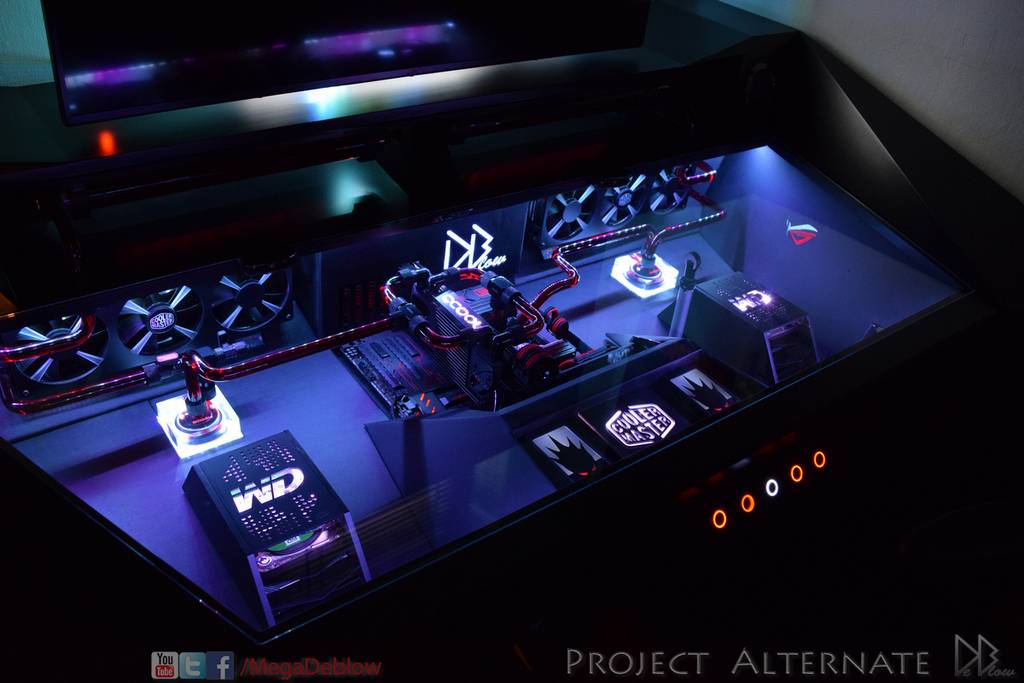
The market is splitting into two clear aesthetic directions that don’t overlap much. Gaming/aggressive (RGB, carbon fiber textures, racing aesthetics, bold colors) is one lane. Clean/furniture-quality (wood tones, minimalist frames, neutral finishes that work in a home) is the other. The middle ground — desks that try to do both — is becoming less common as brands target clearer audiences.
This is good news for buyers. Knowing which aesthetic you want makes filtering easier. The “gaming” desk and the “home office” desk are increasingly genuinely different products rather than the same desk with different marketing.
Smart desk features are real but slow
True smart desk features — height memory presets, sitting/standing time tracking via app, anti-collision sensors, posture reminders — exist in premium models today. Adoption is slower than the marketing suggests because the core use case (raise and lower the desk) doesn’t require any of it. Smart features are nice-to-have at current prices; they’re unlikely to become table stakes until the premium segment normalizes them significantly.
What this means for buyers right now
If you’re buying today, the value at the $60–150 range is better than it’s ever been. If you’re considering an adjustable desk but the price has been the barrier, the entry point is lower than it was 18 months ago and will likely continue to fall. If aesthetics matter to you, the product variety by aesthetic category is broader than at any previous point.
FAQ
Should I wait for better desk technology before buying?
No. Desks are not like CPUs or GPUs — the improvement curve is slow and the functional benefit of waiting is marginal. A desk that fits your space, budget, and use case today is the right desk. The “next generation” of desk technology won’t make your current setup obsolete.
Are AI-integrated desks coming?
Some companies are experimenting with desk-integrated sensors that adjust height automatically based on posture detection or calendar-linked schedules. These exist in prototype and very-premium commercial settings. Consumer products with meaningful AI integration at accessible price points are likely years away from mainstream availability.