
Raspberry Pi 4 Model B Review — Best SBC for Retro Emulation
| Performance | 8.0 |
|---|---|
| Ecosystem | 10.0 |
| Power Efficiency | 9.0 |
The proven veteran SBC for retro gaming. Quad-core Cortex-A72 at 1.5 GHz with the most mature RetroPie ecosystem support and lower power draw than the Pi 5.

Description
Quick specs
| Chip | Broadcom BCM2711 |
| CPU | Quad-core ARM Cortex-A72 @ 1.5 GHz |
| GPU | VideoCore VI @ 500 MHz |
| RAM | 4GB LPDDR4 (also available in 2GB and 8GB SKUs) |
| Networking | Gigabit Ethernet, Wi-Fi 5, Bluetooth 5.0 |
| Display outputs | 2× micro HDMI (4Kp60) |
| USB | 2× USB 3.0, 2× USB 2.0 |
| Storage | microSD slot |
| Power | USB-C 5V 3A (15W) recommended |
| Dimensions | 85 × 56 × 17 mm |
Specs sourced from the Raspberry Pi Foundation official product page.
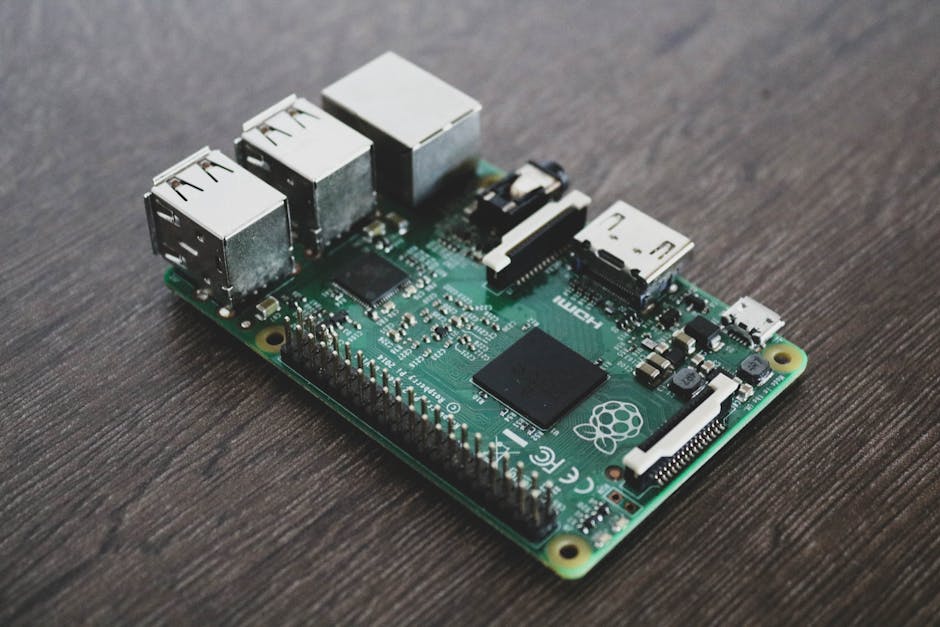
The Raspberry Pi 4 Model B is the proven veteran of the SBC gaming category. It’s older silicon — Broadcom BCM2711, quad-core Cortex-A72 at 1.5 GHz — but the ecosystem maturity around it makes it the right pick for specific use cases that the newer Pi 5 doesn’t match. We recommended it as the best for retro emulation in our best SBC for gaming roundup.
The reason to pick the Pi 4 over the Pi 5 starts with software ecosystem. RetroPie’s documentation, community guides, custom case designs, and emulator optimizations are all built around the Pi 4. Nearly every YouTube tutorial and r/RetroPie thread assumes a Pi 4 — the Pi 5 ecosystem is still catching up. For users new to Raspberry Pi who’ll learn from online guides, the Pi 4’s documentation depth is a real advantage.
The second reason is power efficiency. The Pi 4 draws up to 15 W under load versus 27 W for the Pi 5. For battery-powered handheld emulator builds — RetroFlag’s NESPi 4 case, the GPi Case 2, custom enclosures — that’s the difference between 4 hours of battery life and 2 hours. Every popular handheld-conversion project is designed around the Pi 4’s thermal and power envelope.
For console emulation, the Pi 4 handles everything through the PlayStation/Saturn/N64 era flawlessly — NES, SNES, Genesis, Game Boy family, N64, original PlayStation, Sega Dreamcast. Where it struggles is anything later: PS2, GameCube, and Wii are possible but require careful per-game tuning and acceptance of frame rate dips. If you want plug-and-play emulation up through 32-bit and 64-bit consoles, the Pi 4 is mature, cheap, and proven.
Where it falls short of the Pi 5: PS2/GameCube/Wii emulation, native Linux gaming with multitasking, and any workload that benefits from the Pi 5’s NVMe storage option. The Pi 4 is also getting harder to find at MSRP as Raspberry Pi shifts production focus to the Pi 5 — expect prices to drift up over the next year.
Verdict
The Raspberry Pi 4 Model B is the right pick for dedicated retro emulator projects, battery-powered handheld builds, and anyone learning Raspberry Pi from existing online tutorials. The mature ecosystem and lower power draw outweigh the Pi 5’s performance edge for these specific use cases. For new general-purpose SBC gaming builds, the Pi 5 is the better starting point.

There are no reviews yet.