
Raspberry Pi 5 (8GB) Review — Best SBC for Gaming in 2026
| Performance | 9.0 |
|---|---|
| Ecosystem | 9.5 |
| Value | 9.5 |
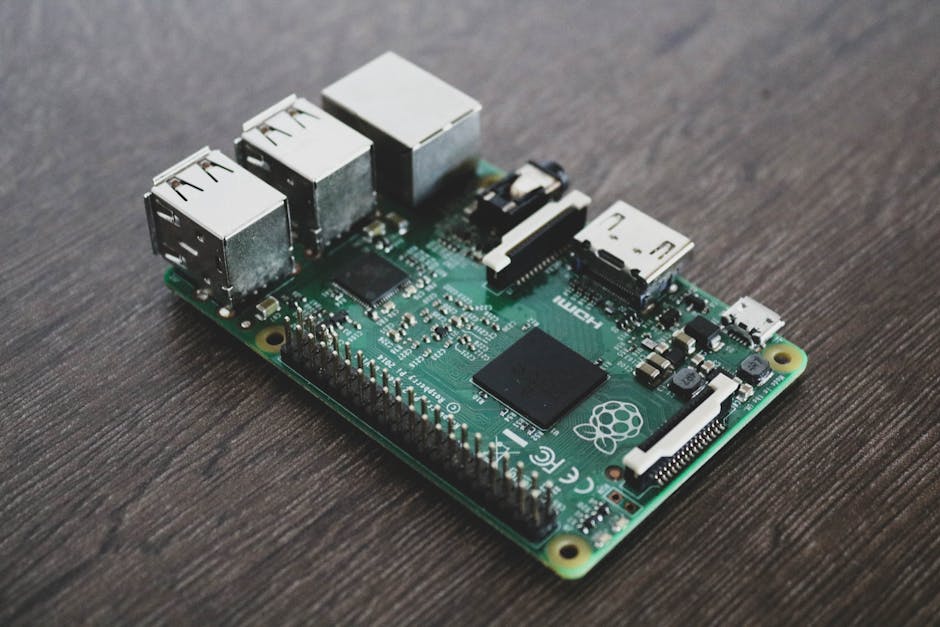
The current flagship hobby SBC. 8GB of RAM and the BCM2712 chip handle PS2-era emulation, Steam Link streaming, and native Linux gaming for around $240.

Description
Quick specs
| Chip | Broadcom BCM2712 |
| CPU | Quad-core ARM Cortex-A76 @ 2.4 GHz |
| GPU | VideoCore VII @ 800 MHz |
| RAM | 8GB LPDDR4X |
| Storage | microSD slot + PCIe 2.0 (via NVMe HAT) |
| Networking | Gigabit Ethernet, Wi-Fi 5, Bluetooth 5.0 |
| Display outputs | 2× micro HDMI (4Kp60 HDR) |
| USB | 2× USB 3.0, 2× USB 2.0 |
| Power | USB-C 5V 5A (27W) recommended |
| Dimensions | 85 × 56 × 17 mm |
Specs sourced from the Raspberry Pi Foundation official product page.
The Raspberry Pi 5 with 8GB of RAM is the right starting point for any single-board computer gaming project in 2026. Broadcom’s BCM2712 chip — quad-core ARM Cortex-A76 at 2.4 GHz — pairs with the new VideoCore VII GPU and 8GB of LPDDR4X memory to deliver meaningfully better performance than the Pi 4 on every workload that matters for gaming. We picked it as the best overall in our best SBC for gaming roundup.
The Pi 5’s emulation performance is the headline. PS2-era games — Final Fantasy X, God of War, Shadow of the Colossus — run at native resolution with playable frame rates on PCSX2. GameCube and Wii emulation in Dolphin works for most titles. The original PlayStation, N64, and earlier-generation consoles emulate flawlessly across the entire RetroArch lineup. For a $240 board, that’s 40+ years of gaming history covered.
The 8GB of RAM matters for two specific scenarios. First, Steam Link streaming over Ethernet — running a desktop environment, browser, and Discord alongside the streaming session needs more than 4GB. Second, native Linux gaming with multiple background apps — the Pi 5 handles Stardew Valley, Hollow Knight, Cuphead, and similar indies fluently with everyday productivity software running concurrently.
The active cooler is genuinely required, not optional. The Pi 5 thermal-throttles aggressively under sustained gaming load without active cooling — the official $5 active cooler or a third-party heatsink case is part of the build budget. NVMe storage via a HAT is the other recommended upgrade for serious use; microSD storage works but is meaningfully slower than SSD storage for emulator and game library access.
Where the Pi 5 falls short of expectations is in native Windows gaming. Windows 11 ARM is technically possible via the WoR (Windows on Raspberry) project, but Windows app compatibility is poor and gaming performance is significantly worse than running Linux. For Windows-native games, the Pi 5 isn’t the right tool — stream them from a real PC via Steam Link or Moonlight instead.
Verdict
The Raspberry Pi 5 with 8GB of RAM is the best single-board computer for gaming in 2026. The combination of meaningful performance gains over the Pi 4, mature ecosystem support, and the $240 price point makes it the natural starting point for any SBC gaming project. Pair it with the official active cooler, an NVMe HAT for storage, and RetroPie or Recalbox for emulation, and you have a tiny console that covers 40 years of gaming for under $300 total.

There are no reviews yet.