Computer Station Nation is reader-supported.
When you buy through links on our site, we may earn an affiliate commission. Learn more.
Quick Take: Good headphones make your battlestation actually enjoyable to sit at for hours. Bad ones are a constant low-grade annoyance. The difference between the two isn’t always obvious from a spec sheet, which is what this guide is for.
Introduction
I’ve gone through a lot of headphones over the years. Budget wired sets that snapped after a month. Fancy Bluetooth cans with mediocre battery life. That one pair that sounded incredible but made my ears feel like they were in a vice after an hour.
The market is a mess. Hundreds of options at every price, and every brand claiming the same three things: crystal-clear audio, industry-leading ANC, and unbeatable value. Some of them are right. Most are not.
So here’s the actual breakdown — what matters, what doesn’t, and what I’d buy at different budgets.
Table of Contents
- Types of Headphones
- What Specs Actually Matter
- Wireless vs. Wired
- Understanding Noise Cancellation
- Best Headphones by Use Case
- Budget Guide: What You Get at Each Price
- Our Top Picks
- What the Community Says
- Is It Worth Upgrading?
- FAQ
- Where to Buy
Types of Headphones: Which Style Is Right for You?
Before you look at a single spec or brand, you need to answer one question: what form factor fits your life?
Over-Ear (Circumaural)
These are the big boys. The ear cups completely surround your ears instead of resting on top of them. That means better passive noise isolation, more room for larger drivers, and usually better bass response.
Over-ear headphones are the go-to for battlestations, home studios, and serious listening sessions. The trade-off: they’re bulkier, heavier, and they make your ears sweat during long sessions if the padding isn’t breathable.
Best for: Gaming, music production, work-from-home, long listening sessions at your desk.
On-Ear (Supra-Aural)
Sit on top of your ears rather than around them. Lighter and more compact than over-ear, but less isolation and they can get uncomfortable after a couple hours because of the direct pressure.
Honestly? On-ear is kind of the middle child of headphone design. You give up comfort and isolation compared to over-ear, and you give up portability compared to earbuds. They have their fans, but most people end up at one of the other two.
Best for: Casual listening, commuting, people who find over-ear too hot.
In-Ear (IEMs / Earbuds)
Smallest form factor. Stick directly into your ear canal (IEMs) or rest in the outer ear (standard earbuds). True wireless earbuds fall in this category too — AirPods, Galaxy Buds, that whole world.
For a battlestation setup, in-ears aren’t usually the primary pick. But for gym sessions, commuting, or anyone who runs hot and can’t handle over-ear headphones, they’re the obvious answer.
Best for: Gym, commute, portability, discrete office use.
What specs actually matter
Headphone spec sheets are full of numbers that sound impressive but tell you very little about how they actually sound. Here’s the breakdown.
Driver Size
The driver is the speaker inside the headphone. Bigger isn’t always better — a well-tuned 40mm driver will destroy a poorly-tuned 50mm driver. That said, larger drivers generally have more potential for bass extension and soundstage width in over-ear designs.
For gaming, 40–50mm drivers are the sweet spot. For studio monitoring, driver quality matters more than size.
Impedance
Measured in ohms (Ω). Low impedance (16–32Ω) headphones work fine straight from a phone or computer. High impedance (150–300Ω+) headphones need a dedicated headphone amp to reach their potential.
Most consumer headphones are 32Ω or lower. Studio monitors and audiophile cans push higher. If you’re just gaming or listening casually, ignore impedance — it’s not a concern until you go full audiophile rabbit hole.
Frequency Response
The range of sound a headphone can reproduce, listed as something like “20Hz–20,000Hz.” Human hearing is roughly 20Hz–20kHz, so anything in that range is technically fine.
The problem: frequency response specs don’t tell you how flat or accurate that response is. A headphone could have a huge 20Hz bass boost that makes the low end sound boomy instead of tight. The shape of the frequency response curve matters way more than the raw numbers.
Battery Life (Wireless)
This one actually matters. Modern wireless headphones should deliver 25–40 hours with ANC off and 20–30 hours with ANC on. Anything under 20 hours with ANC off is below average in 2026. Check real-world battery reviews, not just spec sheet numbers — manufacturers test in controlled conditions that don’t match actual use.
Microphone Quality
Built-in mics on headphones range from passable to genuinely bad. If call quality matters — remote work, Discord, team gaming — the mic spec deserves real attention. Look for headphones with dedicated boom mics or detachable mics rather than relying on the inline cable mic or a hidden mic in the ear cup.
Wireless vs. Wired: The Real Answer
Wired: zero latency, no battery, better sound-per-dollar, works everywhere. It never dies mid-game. The downside is obvious — there’s a cable.
Wireless: no cable to manage, freedom to move, and the sound quality gap has genuinely closed. Modern Bluetooth codecs like aptX HD and LDAC have gotten good enough that most people won’t notice the difference in blind tests.
For a stationary battlestation where your headphones stay plugged into your PC or audio interface, wired is hard to beat on value. For everything else — commuting, the gym, a mixed home/office setup — wireless makes more sense.
Gaming specifically: latency matters. Most gaming-focused wireless headphones now use 2.4GHz USB dongles rather than Bluetooth, which drops latency to sub-20ms — imperceptible in practice. Avoid Bluetooth-only headphones for competitive gaming.
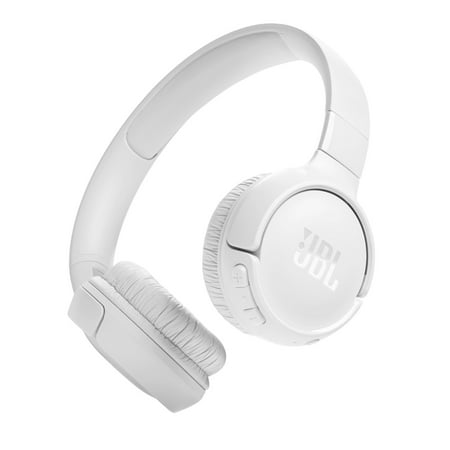
The JBL Tune 520BT headphones stream powerful JBL Pure Bass sound thanks to the latest 5.3 BT technology. Easy to use, these headphones provide up to 57 hours of pure pleasure and an extra 3 hours of battery with just 5 minutes of charge. Download the free JBL Headphones App and customize your...
Active Noise Cancellation: Worth It or Overhyped?
ANC uses microphones to sample ambient sound and generates an inverted signal to cancel it out in real time. It works really well on constant low-frequency noise — plane engines, HVAC, traffic. It works less well on sudden sharp sounds and voice frequencies.
Whether it’s worth it depends on your environment. If you work in a noisy office, have roommates, or travel regularly — ANC is genuinely life-changing. If you’re in a quiet home studio, passive isolation from a well-fitting over-ear design might be all you need.
One thing to watch: cheap ANC headphones often sound worse with ANC on than off. Premium ANC implementations (Sony XM5, Bose QuietComfort Ultra) have mostly solved this. Budget ANC is a trade-off.
Best Headphones by Use Case
Gaming
Gaming headphones need good positional audio (soundstage), a decent mic, and low latency if going wireless. The gaming headset market is full of mediocre products with flashy RGB that sound worse than comparably-priced audiophile headphones. A good pair of open-back studio headphones paired with a dedicated mic often beats a “gaming headset” at the same price.
That said, gaming headsets have the all-in-one convenience factor — especially useful if you want a plug-and-play USB solution without a separate mic. See our full best gaming headphones guide for specific picks.
Music Listening
For music, it comes down to your genre preferences. Bass-heavy genres (hip-hop, EDM) pair well with V-shaped sound signatures. Classical and jazz listeners often prefer flat, neutral headphones. Rock sits somewhere in the middle.
Work From Home / Calls
ANC matters here. So does mic quality. You want headphones that block out distractions and make your voice sound clear on the other end. The $50–$150 range has excellent options — you don’t need to spend $350 on Sony or Bose unless you’re doing this 8+ hours a day.
Gym / Working Out
Over-ear headphones at the gym are awkward. They’re bulky, they slide around, and sweat destroys most non-IP-rated designs. Earbuds with IPX4 or better sweat resistance are the right call here. Keep your over-ear setup at the desk where it belongs.
Travel
Long-haul flights are where premium ANC headphones genuinely earn their price tag. The constant drone of jet engines is exactly the kind of noise ANC destroys. Foldable design, a solid carry case, and 25+ hours of battery should all be on your checklist.
Budget Guide: What You Get at Each Price Point
Under $25 — The Bare Minimum
You’re buying function, not quality. Budget wired headphones can get the job done — class calls, watching videos, basic gaming. Don’t expect good sound isolation, durability, or any wireless features.
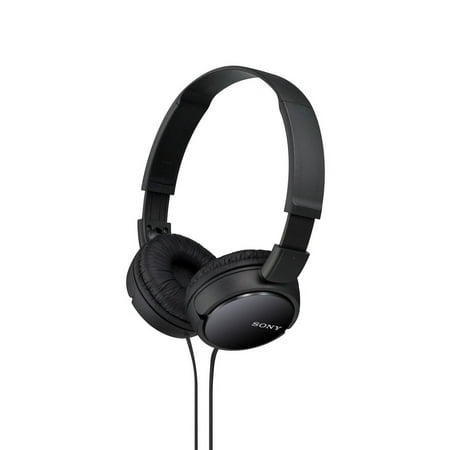
Maximizing your personal audio experience has never been easier than with SONY ZX-Series Monitor headphones. Built with comfort and performance in mind, there’s no need to compromise. Lightweight 1.38 in neodymium dynamic drivers deliver a punchy, rhythmic response to even the most demanding...
$25–$75 — Strong Value Zone
This is where headphones start getting genuinely good. Wireless Bluetooth headphones with respectable battery life, decent ANC, and good-enough sound quality for everyday use. The JBL Tune 520BT lives here and it’s a legitimately solid pick for the price.
$75–$150 — Excellent for Most People
Solid wireless, good ANC, excellent sound quality for casual to moderate listening. This is the sweet spot for 80% of people.
$150+ — Premium Territory
The Beats Studio3 lives here. You’re paying for real improvements in ANC and audio quality — the kind you’ll actually notice daily if you commute, fly often, or wear headphones for 6+ hours at a stretch. If that’s not you, stay in the $75–$150 range.
Our Top Picks
Best Premium Pick — Beats Studio3 Wireless
Apple W1 chip, Pure ANC technology, 22 hours of battery with ANC on. Sounds warm and punchy — great for hip-hop and pop, less ideal for acoustic purists. Folds flat for easy packing.
Best Mid-Range Pick — JBL Tune 520BT
57-hour battery life. Yes, 57 hours. JBL Pure Bass sound, Bluetooth 5.3, voice assistant support. No ANC, but the battery life means you’re charging it maybe once a week. Hard to beat at under $40.
The JBL Tune 520BT headphones stream powerful JBL Pure Bass sound thanks to the latest 5.3 BT technology. Easy to use, these headphones provide up to 57 hours of pure pleasure and an extra 3 hours of battery with just 5 minutes of charge. Download the free JBL Headphones App and customize your...
Best Budget ANC — AUOSHI ANC Headphones
55 hours playtime, Bluetooth 5.3, active noise cancellation under $25. Won’t compete with Sony or Bose, but blocks light office noise and ambient sound without spending $100+.
Best Wired Budget Pick — Sony MDR-ZX110
No frills. No Bluetooth. No ANC. Just a pair of wired headphones that work, cost $15, and sound surprisingly decent. 30mm drivers, folding design. The go-to backup set or kids’ option.
Maximizing your personal audio experience has never been easier than with SONY ZX-Series Monitor headphones. Built with comfort and performance in mind, there’s no need to compromise. Lightweight 1.38 in neodymium dynamic drivers deliver a punchy, rhythmic response to even the most demanding...
What the Headphone Community Is Actually Saying
The consistent r/headphones consensus: value per dollar peaks somewhere between $75 and $150. Above that you’re buying incremental improvements, not step changes. The audiophile crowd would spend $300+ but also argues about it constantly, which tells you something.
The other thing that comes up over and over: fit is personal. A headphone with thousands of 5-star reviews can be unbearable if the ear cups don’t fit your head shape or the clamping force is too high. Ear pad size, headband pressure, and weight matter more than any spec after the first few hours. If you can try before you buy, do it.
And if you’re building a battlestation specifically for gaming: r/headphones is pretty unanimous that a decent pair of studio headphones plus a dedicated mic beats most gaming headsets at the same total price. The mic is always the weak link on headsets anyway. Something worth knowing before you drop $150 on a headset with a boom mic that makes you sound like you’re calling from 2003.
Is It Worth Upgrading Your Headphones?
If you’re using something under $30 and spend significant time in headphones — yes, absolutely. Going from budget wired to a good $60–$100 wireless pair is a night-and-day difference in comfort, sound quality, and daily enjoyment.
If you’re already in the $75–$150 range and your current pair sounds good and fits well — you probably don’t need to upgrade. Diminishing returns above $150 are real. You’ll hear the difference on A/B testing but won’t necessarily enjoy music more day-to-day.
The exceptions: daily commuters who need premium ANC, professional musicians who need accuracy, or anyone whose current pair is dying.
FAQ
What’s the difference between ANC and passive noise isolation?
Passive noise isolation is physical — the ear cups block sound by surrounding your ears and creating a seal. ANC is electronic — microphones detect ambient sound and the headphone generates a canceling signal. ANC is more effective on constant low-frequency noise (engines, HVAC), while passive isolation handles a broader frequency range.
Can I use gaming headphones for music?
Yes, but most gaming headsets have V-shaped sound signatures tuned for footsteps and explosions rather than musical accuracy. A good pair of studio or audiophile headphones will sound better for music even without gaming-specific features.
How long do wireless headphones last before the battery degrades?
Lithium-ion batteries typically retain 80% capacity after 300–500 charge cycles — roughly 3–5 years of daily use before noticeable degradation. Avoid storing at full or empty charge and keep them away from extreme temperatures.
Do I need a headphone amp?
For most consumer headphones under 80Ω, no. Your phone or PC’s built-in DAC is sufficient. High-impedance audiophile headphones (150Ω+) benefit from a dedicated amp. Buying consumer wireless? Don’t worry about it.
Are $300 headphones worth it over $100 ones?
For most people: no. The jump from $30 to $100 is massive. The jump from $100 to $300 is noticeable but much smaller. At $300 you’re paying for top-tier ANC, premium materials, and marginal audio improvements the average listener may not notice without careful A/B testing.
Where to Buy
The JBL Tune 520BT headphones stream powerful JBL Pure Bass sound thanks to the latest 5.3 BT technology. Easy to use, these headphones provide up to 57 hours of pure pleasure and an extra 3 hours of battery with just 5 minutes of charge. Download the free JBL Headphones App and customize your...
Maximizing your personal audio experience has never been easier than with SONY ZX-Series Monitor headphones. Built with comfort and performance in mind, there’s no need to compromise. Lightweight 1.38 in neodymium dynamic drivers deliver a punchy, rhythmic response to even the most demanding...